The Business Operator
Why EudaTech Exists (and What Eudaimonia Has to Do With Your Software)
Named after a two-thousand-year-old idea of flourishing — not a product category or a pin on a map
- business operations
- custom software
- digital strategy
- small business
- eudaimonia
Most software companies are named after what they sell or where they sit on a map. EudaTech is named after an idea that is more than two thousand years old.
The word is eudaimonia. Aristotle used it to describe a life that is going well — not a constant stream of pleasant feelings, but a life of purposeful activity, competence, and flourishing. It is the difference between a tool that simply works and a system that quietly helps a business and the people inside it do better work over time.[1][2]
That distinction is why this company exists.
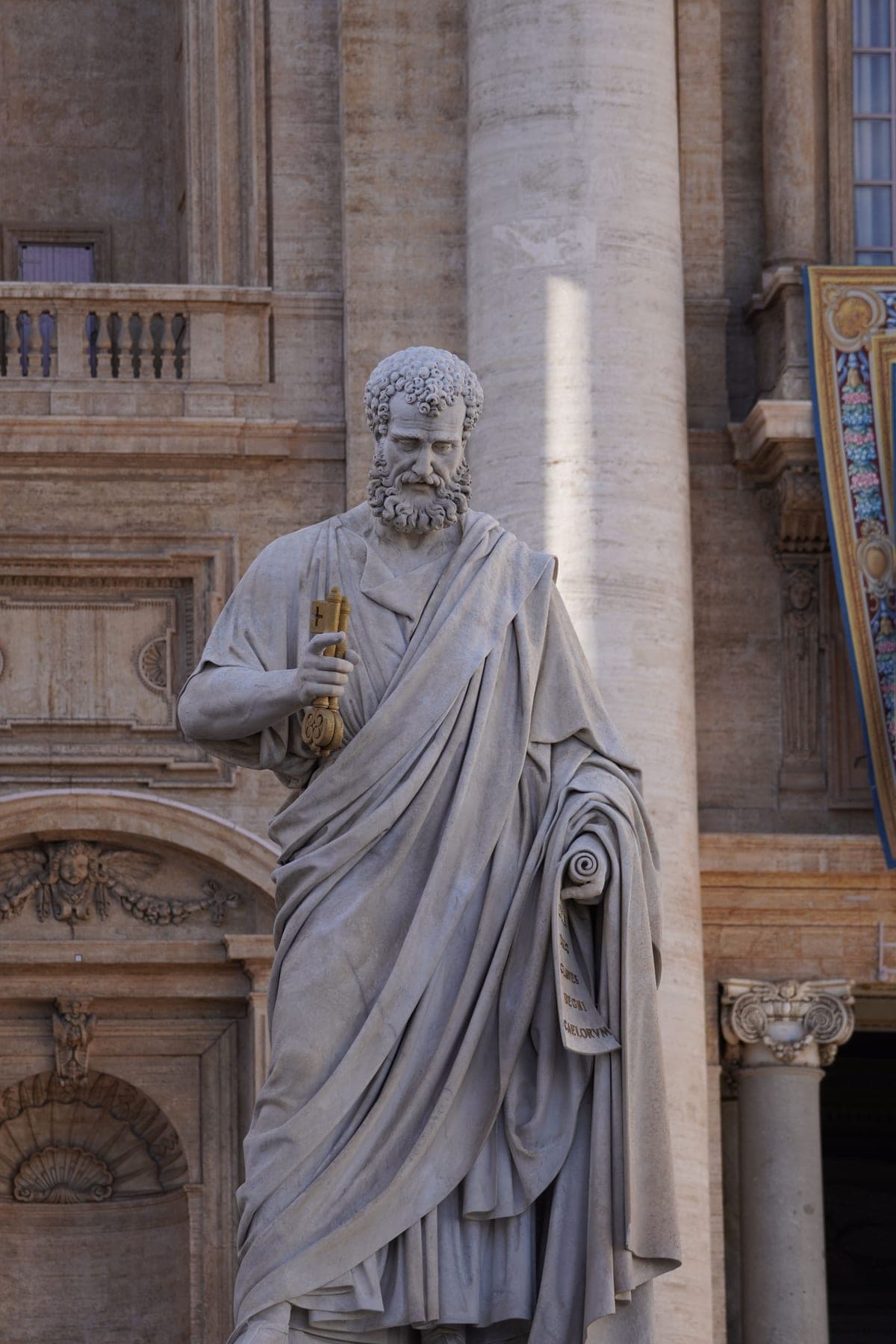
A short, plain explanation
Eudaimonia is often translated as “happiness,” but that word is too thin. Aristotle was talking about something closer to flourishing. A person (or a team, or a business) is flourishing when they are exercising their capacities well, when the things they do each day are aligned with what actually matters, and when the obstacles that waste energy have been reduced.[1]
It is not about perfection. It is about removing unnecessary friction so that effort can go where it counts.
When I started building software for small businesses in Cape Town, I kept seeing the same pattern. Owners were not short of tools. They were short of systems that fitted the way their teams already worked. Spreadsheets multiplied. Generic platforms were half-adopted. Information lived in too many places. The daily workarounds had become invisible — until you added them up.
Those workarounds are the opposite of flourishing. They are slow leaks of time, attention, and morale.
Why the name matters
EudaTech is a deliberate contraction of eudaimonia and technology. The name is a reminder, first to me and then to anyone who works with us, of the real goal.
We do not exist to sell “a website” or “a CRM” as products on a shelf. We exist to design and build the specific pieces of software that help a particular business operate with less friction and more clarity. Sometimes that is a public-facing site that does exactly what the business needs and nothing it does not. Sometimes it is an internal system that mirrors the real roles, permissions, and workflows of the team. Often it is both, joined properly.
The test is simple: after the system is in place, does the business have more capacity for the work that actually moves it forward? If the answer is no, we have missed the point.

What this looks like in practice
The principle shows up in decisions that are easy to skip when you are only optimising for speed or price.
- Fit over features. A system that matches how the team already thinks and works will be used. One that forces the team to change around the software will be resisted, even if the feature list looks impressive on paper.
- Longevity over novelty. The goal is software that still serves the business three or five years later without needing a complete rebuild. That means clear architecture, sensible data models, and the discipline to leave out what is not needed.
- Clarity over complexity. Security, roles, and permissions are built in from the start, not bolted on later. The people who use the system every day should be able to understand it.
- Partnership over transaction. The relationship does not end at handover. Businesses change. The software should be able to change with them without becoming fragile or expensive to maintain.
None of these are especially glamorous. They are the quiet conditions that let a business flourish instead of merely function.
“The measure of success is not how modern the stack looks. It is whether, six or twelve months later, the daily work feels a little lighter and the important work has more room.”
— Damian Grobler, EudaTech
What it means if we work together
If you are an owner reading this, the practical translation is straightforward.
You should expect a conversation that starts with how your business actually operates today — the real workflows, the real bottlenecks, the places where information gets lost or re-typed. You should expect recommendations that sometimes say “you do not need custom software for this part” and sometimes say “this is exactly where a tailored system will remove the friction you are already paying for.”
You should expect systems that respect the people who will use them every day. And you should expect the work to be done with the same care whether the project is a public site or an internal tool that only six people will ever see.
The measure of success is not how modern the stack looks. It is whether, six or twelve months later, the daily work feels a little lighter and the important work has more room.
A final note
Eudaimonia is an old idea, but the problem it addresses is current. Small businesses in South Africa (and everywhere else) are surrounded by software that promises transformation and often delivers another layer of complexity. The alternative is quieter: build the specific tools that support the way the business already works, remove the friction that has become normal, and give the people inside the business a better chance to do good work.
That is the reason EudaTech exists.
If the approach resonates, the two earlier guides in this series may be useful next — and if you want to talk about the specific friction in your own operation, the door is open.
References
Continue in this series
- The hidden friction you’re paying for every single day
Why scattered systems quietly drain time, morale, and revenue — and what owners can do about it.
- Setting up your own AI environment in 2026
Claude, Perplexity, Copilot agents & beyond — a practical spectrum for operators before DIY gets expensive.
- EudaAuth role-based access demo
See multi-user logins with real roles and permissions — systems that mirror how teams actually work.
- Custom business systems
CRM, automation, e-commerce, and other software built around how your operation already runs.